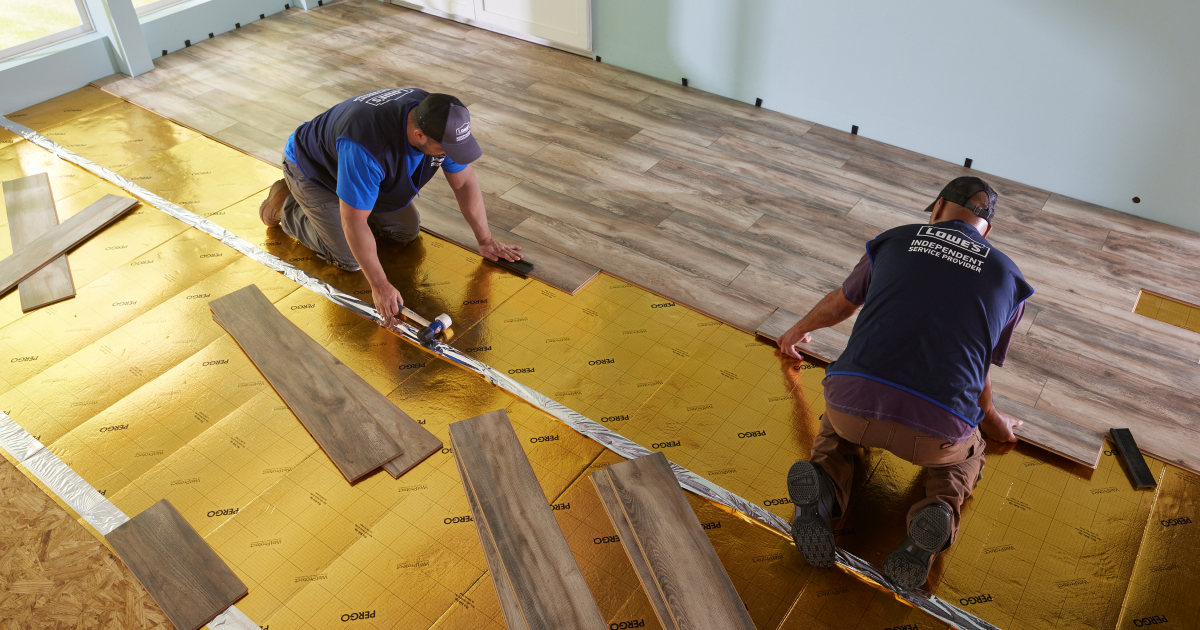
20 Excellent Reasons For Deciding On Floor Installation
Wiki Article
Best Flooring Options For Philadelphia's Climate And Humidity
Philadelphia isn't often mentioned enough for its genuinely difficult region for flooring. It's located in an area that experiences real winters dry cold, cold air that expands wood, and genuinely humid summers that force moisture into every aspect of the. Consider the fact that a huge percentage of the housing materials are old, often with no consistent climate control in every room, and you have conditions that reveal the flaws of flooring materials that aren't well matched to the environment. What's successful on the outside of Phoenix or Seattle won't always work here. This guide goes over how each major flooring type actually performs in Philadelphia homes across all four seasons.
1. Solid Hardwood Does Not Require Respect for the Climate
Solid hardwood isn't an easy maintenance option in Philadelphia. It's great when it's installed correctly, acclimated properly and maintained in a residence that has a steady humidity -- ideally between 35 to 55 percent all year. If these conditions aren't met it can cause gapping in winter and a cupping effect in summer. Older rowhomes that lack central air or even a consistent distribution of heat is the most risky place to install solid hardwood. However, this doesn't mean they are the right choice, but it implies that proper installation as well as ongoing humidity management a necessity.
2. Engineered Wood was Designed to withstand this Climate
The layered cross-ply construction of engineered hardwood blocks the stretching and contraction, which cause solid wood to change shape and size during the seasons. It provides real hardwood at the frontreal grain, real characteristics, and the ability to refinish based on the thickness of the layer that wears -- with much better dimensional stability beneath. For Philadelphia properties, particularly in Bucks County and Montgomery County where older homes are prone to unpredictable basement moisture, engineered flooring can provide a functional sweet spot that solid hardwood simply can't compete with in different conditions.
3. LVP Is the Most Climate-Tolerant Option Available
Luxury vinyl flooring doesn't absorb moisture, doesn't shrink with dry winter air, or care whether your HVAC is operating consistently or not. For Philadelphia homeowners who have basements and below-grade spaces or rooms that are prone to swinging throughout the year, LVP is an option that will simply keep performing. The installation of waterproof flooring has now become one of the more requested services among flooring contractors across Delaware County and South Jersey precisely because homeowners have learned this knowledge, often following having a water-related issue with a other flooring.
4. Laminate could be the weakest climate Link in the Lineup
Laminate flooring is similar to LVP on paper, but it behaves slightly differently in humid situations. It is made of wood fiber that absorbs moisture and expands around the edges, and once damage is started, it's impossible to reverse. In a climate-controlled, dry Philadelphia home, laminate can be used adequately for years. In a rowhome kitchen, basements or any other room that experiences high levels of humidity, laminate can be a problem. Cheap flooring installation quotes often comprise laminate for rooms in which LVP would be a better decision to make.
5. Porcelain Tiles are immune to Philadelphia's humidity
In terms of pure resistance to moisture, porcelain tile is the highest-quality option. It doesn't expand, doesn't reduce, it doesn't swell or absorb water, and will outlast all other flooring options in wet or high-humidity environments. However, it is sub-zero in winter, hard on joints, and the grout is required to be maintained. Porcelain tile installation for Philadelphia bathrooms and kitchens remains well-known for a reasonis it simply the best equipment for these rooms in this weather.
6. Ceramic Tile Works but Has Porosity Limitations
Ceramic tile is a step ahead of the porcelain tile in density and resistance but is above any other flooring made of wood alternative in humid areas. When it comes to bathroom tile installation, and the flooring for kitchens in Philadelphia homes it remains an excellent choice, particularly where budget is a factor since it costs significantly less than porcelain square feet. The key distinction is that ceramic should not be used in areas that could be exposed to freezing-thaw or standing water Exterior applications are areas where porcelain can clearly win.
7. Wide Plank Hardwood Needs Extra Humidity Management
It's a point that a lot of homeowners don't realize until it is too late. Wider planks in hardwood with a width of five inches or above can move more rapidly when the humidity fluctuates in comparison to flooring with narrow stripes. In Philadelphia's seasonal climate, the wide plank of solid hardwood in a home without tight humidity control can create visible gaps in winter, which close again in summer. Flooring contractors who deal regularly on wide planks of wood should be aware of this prior to the start of the year. Whoever doesn't could be creating an unnerving first winter on your brand new floors.
8. Subfloor Moisture Is a Separate Issue From Ambient H.
They are two distinct problems to be addressed in different ways. Ambient humidity can affect how wood flooring expands and contracts seasonally. Subfloor moisture, vapor expulsion from concrete slabs absorption through older boards, or inadequate crawlspace ventilation -- pose a significant danger to adhesive bonds as well as floating flooring stability. A thorough subfloor assessment before the installation of flooring in Philadelphia, Bucks County, or Delaware County homes should include moisture readings, not only visually inspecting.
9. Tempo of Acclimation Is Not Required in This Region
Flooring made of hardwood must acclimate to the specific temperatures and humidity of your home prior to installation- generally, 3 to 7 days spending time in the space. In Philadelphia that is not done or in a hurry, this stage is why you end ending up with floors which move significantly following installation because the wood isn't adjusted with the real-world conditions of your home. A licensed flooring installer schedules acclimation time into their project timetables. Cost-conscious contractors who show up to begin putting in the flooring on the when the flooring arrives cutting corners that will eventually result in.
10. The Best Climate Choice Is Always Site-Specific
An Montgomery County home with a full basement, central HVAC and constant year-round humid control is a fundamentally different place than the typical Philadelphia rowhome with radiators without air conditioning and a damp cellar below. Flooring that works well in one area will be a struggle with the other. The flooring specialists worth hiring in this region won't advise materials from a catalog -They study the circumstances of your living space and match the product to the surroundings that the floor is going to live in for coming twenty years. Follow the top
floor installation Bucks County PA for blog examples including floor installation Delaware County PA, hardwood floor refinishing Philadelphia, flooring installation Montgomery County PA, bathroom tile installation Philadelphia, LVP floor installation cost Philadelphia, floor installation Bucks County PA, hardwood floor installation cost Philadelphia, floor installation Delaware County PA, flooring contractors Philadelphia PA, laminate flooring installation Philadelphia and more.
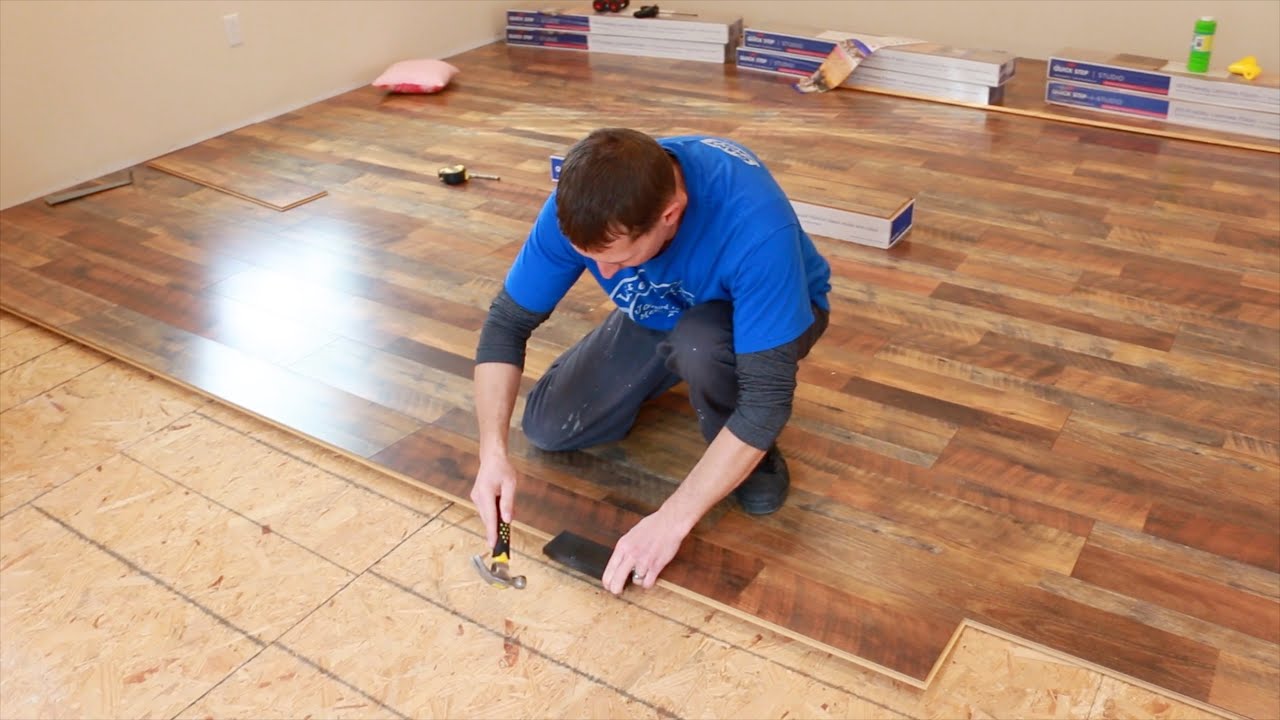
Hardwood Refinishing Vs. Replacement: What Is The Best Way To Go?
Wood floors found in Philadelphia homes carry history in them: original Oak strip flooring that was part of a Germantown twin, wide pine planks in a Chestnut Hill colonial home, and a long-lasting hardwood floors in a Delaware County ranch that's seen three families. When those floors start looking rough, it's frequently and often to change them. But replacing isn't always the correct choice, and refinishing isn't always the cheapest option at least at first glance. The decision between sanding and refining your existing hardwood, or taking it up and starting over is based on factors which only become apparent when someone that knows what they're looking at actually walks through the flooring. Let's look at how to think through it before committing to either option.
1. The Floor Thickness Is the Primary The Factor that Determines Your Options
Solid hardwood can be sanded and repaired multiple times throughout its lifespan, but not indefinitely. Each refinishing session removes a small amount of wood and once the floor is removed from the tongue-and-groove fastening system underneath there is no way to sand it yet again in a safe way. The majority of solid wood is 3/4 inch thick with roughly 1/4 inch above the tongue that can be used for sanding. A flooring professional can assess the remaining thickness using measuring instruments in a discreet spot. The reading, greater than all others, determines whether refinishing will be being considered.
2. Engineered Hardwood is a bit narrower in its refinishing Window
Engineered wood flooring has grown drastically across Philadelphia, Bucks County, and Montgomery County homes over the more than two decades. many homeowners don't know the floors are engineered until refinishing is required. The veneer of wood on engineered hardwood is more thin than solid - anywhere between 1mm and 6mm based on the kind of product it limits the number times it can be sanded. Thin-veneer engineered timber may just be able to take one careful Refinishing step, or none whatsoever. Being aware of what you've got before making the assumption that refinishing is feasible will save your time from wasting a trip to estimate.
3. Refinishing is considerably less expensive than Replacement in most cases.
Floor sanding and refinishing in Philadelphia typically cost $3 to $ 6 per square foot. Full hardwood floor replacement -removal of flooring, subfloor assessment, new flooring, and installation -- could cost between $10 and $20 per square foot or more, depending on the species and technique. For a 500-square foot surface, that's about the same as a $1500-$3000 job and a $5,000 to $10,000 one. If your floor has sufficient thickness and there are no structural issues, it can be refinished to provide all the visual appeal of new floors at much less cost.
4. Surface Damage on its Own Is No Reason to Replace
Scratches, scratches, dullness minor staining and superficial discoloration are exactly what floor sanding or refinishing is intended to fix. The appearance of these conditions is worse that they really are. A thorough sanding procedure removes all damaged layers of the surface and brings the floor back to the original wood condition, at which point custom staining and finishing restore its appearance completely. Philadelphia homeowners who replace floors with damaged surfaces that they could have refinished away are making an expensive choice based on aesthetics rather than structural fact.
5. Structural damage alters the calculation Absolutely
Cupping, warping, significant damages to the floor that have penetrated below the surface or rot on the board level, or floors with many missing or loose sections are not the same as damage to the surface. Refinishing improves the appearance of surfaces -but it can't fix the board's movement in structural terms due to moisture, nor is it able to fix a floor where the subfloor beneath has failed. When structural issues are present an honest evaluation from a flooring installer who is licensed may be that replacing the floor is the only option to flooring that can function well, not just look better temporarily.
6. The previous history of refinishing has an effect on the Current Decision
A hardwood floor that has been refinished three or four times throughout its lifetime may have tiny material left over the tongue despite the thickness it was when it first started. For instance, the original wood floor in the interior of a Philadelphia home that hasn't been finished -- which is quite common in older houses -- might have plenty of remaining thickness even if it appears rough. The appearance of the floor isn't a reliable indicator of future refinishing capabilities. Physical measurements and, sometimes by pulling the vents of a floor to take a look at the cross-sections is how professionals determine the remaining floor.
7. Custom staining during refinishing can Transform a Floor's Character
Refinishing's most under-appreciated benefits is the opportunity to change its color completely. Custom staining of hardwood in Philadelphia is a component of the process of refinishing -- after the floor has been sanded to bare wood, stain is applied prior to the final coats are applied. Owners of homes who have lived on the orange-toned wood of the 1990s for a number of years are frequently shocked to discover that their boards can become a cool grey, a rich walnut, or a warm natural, based on the species chosen and the stain used. No replacement is required to transform the look dramatically.
8. Making a match from new Hardwood to Existing Floors Is Harder Than It Sounds
A scenario that drives homeowners toward a full-on replacement of their flooring is when only a portion of a floor needs to be dealt with -- one that has suffered water damage, or in expansion, or an area that was carpeted previously. Making new hardwood match the existing hardwood that is older in the interior of the home is truly difficult. The wood species, the cut, grain pattern, and years of patina won't reproduce precisely when you install new wood. Flooring contractors across Delaware County and South Jersey who are honest about this will advise you that a total revalorization of the entire flooring after patching is typically the only way to attain visually consistent.
9. Replacement opens the door to upgrading the material totally
Sometimes, the best option can be replacement, not simply since refinishing would be impossible, but rather because the floor isn't worthy of preservation. Hardwood that is of low quality and dents easily and floors that have extensive subflooring issues that require attention on their own, or rooms where the layout has changed, so the current floor isn't a good fit anymore There are times that allow for a real upgrade. It is possible to switch from worn softwood white oak hardwood, or moving from damaged hard wood to engineered hardwood better suited to the house's water conditions, is different thing than replacing an laminated floor without a reason.
10. Be sure to take the assessment before You Take a decision, not once You've Choosen
The refinish as opposed to. replace decision should be made after an expert has examined the floor but not before. The majority of the reputable flooring contractors located in Philadelphia offer free estimates that include this assessment: flooring thickness measurement, identification of structural or. surface water damage, evaluation of the moisture level, and an definition of the steps each will cost in terms of time, expense timing, timeframe, and the final result. Customers who ask to get a quote for replacements may have already talked themselves out of refinishing options they've yet to fully explore. Assessments are free. If it does not prove to be necessary does not count as. Check out the recommended Read the top rated solid hardwood floor installation Philadelphia for more recommendations including wood floor restoration Philadelphia, flooring installers South Jersey, flooring estimate Philadelphia, floor installation Bucks County PA, luxury vinyl flooring Philadelphia, tile flooring contractors Philadelphia PA, flooring contractors Montgomery County PA, LVP flooring Philadelphia PA, hardwood floor refinishing cost Philadelphia, free flooring estimate Philadelphia and more.